Leave Your Message
0%

In today’s pretty competitive market, more and more businesses are turning to advanced tech to boost their manufacturing game. A Wood Laser Cutter, for example, offers incredible precision and efficiency—things that traditional methods just can’t really compete with. I recently came across a report from IBISWorld that predicts the laser cutting industry will grow at about 5.1% each year, hitting a market size of around $4.3 billion by 2026. That really highlights how important it’s becoming to incorporate laser tech into your operations.

Picking out a Wood Laser Cutter isn’t just about upgrading your equipment; it’s about investing in quality and versatility. The Wood Acrylic CO2 CNC Laser Cutterespecially stands out because it can handle a bunch of different materials with imPressive accuracy. Not only does this speed up production, but it also helps cut down on wasted material. Companies like Universal Laser Systems say that their clients have seen productivity jump by up to 30% after switching to laser cutting tech.

That said, some businesses still play it safe and hesitate to jump in—mainly because of those initial costs or just not fully understanding how it all works. But honestly? The long-term perks far outweigh those early worries. As industries keep evolving, embracing tools like a Wood Laser Cutter is pretty much essential if you want to stay relevant and ahead of the game. It’s definitely worth reflecting on your current processes and thinking about how these kinds of innovations could really push your business forward.

Why Choose a Wood Laser Cutter for Your Business Needs?

Advantages of Using Wood Laser Cutters for Precision Cutting

The use of a Wood Laser Cutter offers numerous advantages for precision cutting, particularly in the woodworking and manufacturing industries. Laser cut technology ensures accuracy down to the millimeter, which is essential for intricate designs. Reports indicate that laser cutting can increase production efficiency by as much as 30%. This allows businesses to execute complex patterns and shapes that traditional methods may struggle to achieve, creating high-quality products consistently.

Moreover, companies that adopt Wood Laser Cutters report significant material savings. The precision of the laser minimizes waste, making operations more sustainable. For example, a study from the International Journal of Advanced Manufacturing Technology highlights that laser cutting reduces kerf width by up to 50% compared to conventional saws. This reduction not only conserves resources but also allows for tighter project budgets.

However, transitioning to laser technology isn't without challenges. Initial equipment costs can be high, and training employees takes time. Some users report a learning curve when adapting to the software required for design and cutting. It's essential to weigh these factors against the long-term gains in efficiency and precision. Embracing the Wood Laser Cutter can transform business operations, but careful consideration is necessary before making the leap.

Types of Wood Laser Cutters Available for Various Business Needs

When it comes to wood laser cutters, understanding the types available can help you select the right tool for your business needs. CO2 laser cutters are popular for their ability to cut and engrave various wood types with precision. They can create intricate designs, making them ideal for crafts and custom projects. Fiber laser cutters are also available, though they are often used for metal. This distinction is crucial for businesses focusing solely on wood products.

A common concern is the size of the laser cutter. Compact models are great for small workshops. They take up less space but may limit the size of projects. Larger machines can handle bigger sheets of wood and more complex designs. However, they require more power and careful maintenance.

**Tip:** Always assess your business's growth potential before choosing a cutter. A machine that seems perfect may not accommodate future needs. Consider versatility in your purchase. You might regret a choice that limits creativity. Investing in a higher quality machine could save you trouble down the road.

Why Choose a Wood Laser Cutter for Your Business Needs? - Types of Wood Laser Cutters Available for Various Business Needs

Type of Wood Laser Cutter Power (Watts) Suitable Materials Ideal for Approximate Price
CO2 Laser Cutter 40-150 Watts Plywood, MDF, Acrylic Sign Making, Furniture Design $2,000 - $20,000
Fiber Laser Cutter 50-500 Watts Wood, Metal, Plastic Industrial Manufacturing $10,000 - $100,000
Galvo Laser Cutter 20-80 Watts Wood, Leather, Glass Personalized Gifts, Crafts $5,000 - $25,000
Desktop Laser Cutter 40-100 Watts Cardboard, Softwoods Small Business, Hobbyists $300 - $5,000

Key Features to Consider When Selecting a Wood Laser Cutter

When selecting a wood laser cutter, consider the cutting speed. Faster machines save time and boost productivity. However, they may sacrifice precision. Consider your project's requirements carefully. A slower machine can offer finer detail.

Another critical feature is the power of the laser. Higher wattage allows for thicker materials and quicker cuts. This, in turn, can lead to a more versatile machine. However, excessive power may pose safety risks. Training is essential for efficient operation.

The size of the cutting bed is also vital. A larger area enables the processing of bigger pieces. This feature is beneficial for large projects. Nonetheless, a big machine can take up significant workspace. Reflect on your shop's layout and needs before making a decision.

Comparison of Key Features in Wood Laser Cutters

Cost-Effectiveness of Wood Laser Cutters for Small Businesses

Why Choose a Wood Laser Cutter for Your Business Needs?

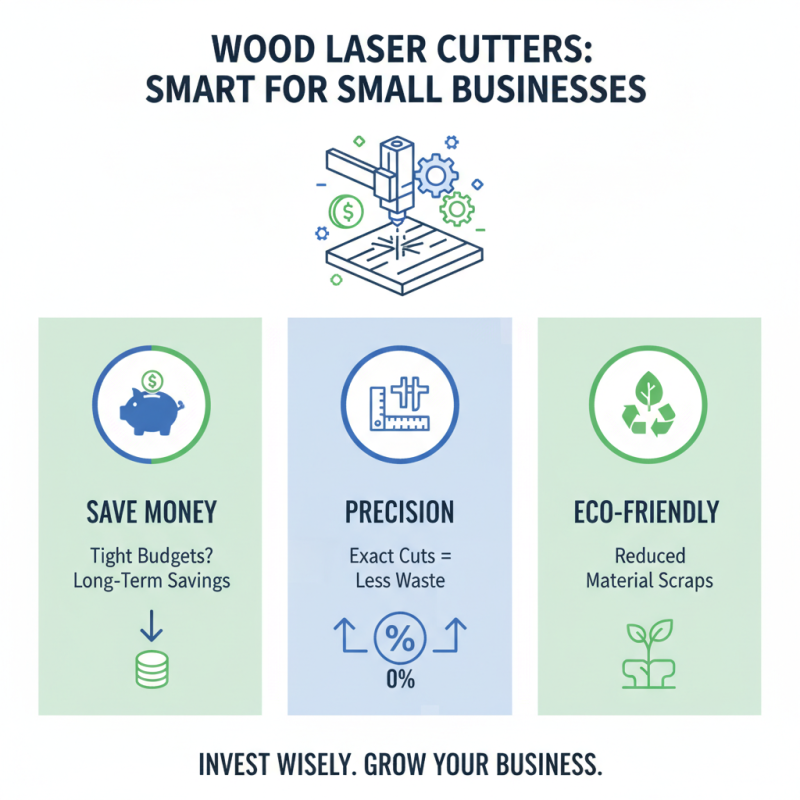
When considering a wood laser cutter for your small business, cost-effectiveness is a key factor. Small businesses often operate on tight budgets. Investing in a wood laser cutter can save money in the long run. The precision of laser cutting reduces material waste significantly. Each cut is exact, minimizing the excess that traditional methods might produce.

Moreover, these machines require less manual labor. This shift can lower operational costs by reducing the number of employees needed for production. Training employees on a china Wood Laser Cutter is usually quicker too. Laser cutters can handle various designs, which enhances versatility for different projects. However, the initial investment can be daunting for some entrepreneurs.

It's essential to weigh the upfront costs against potential savings over time. Additionally, maintenance and repair should not be overlooked. These equipment pieces can break down if not properly maintained. This adds unforeseen costs that could affect your budget. Even so, for many small businesses, the advantages often outweigh the disadvantages, making a wood laser cutter a smart choice.

Applications of Wood Laser Cutters in Different Industries

Why Choose a Wood Laser Cutter for Your Business Needs?

Wood laser cutters are increasingly popular across various industries. They allow for precision and creativity in designs, catering to a range of applications. In the furniture industry, for example, manufacturers utilize these machines to create intricate patterns and shapes. custom Wood Laser Cutters enable artisans to transform plain wood into stunning pieces. This detail not only adds value but also enhances aesthetic appeal.

In the crafting realm, wood laser cutters support hobbyists and small businesses. They can easily produce customized gifts, like engraved coasters or personalized wooden signs. This capability fosters a deeper connection between the creator and their audience. However, challenges may arise, such as ensuring optimal cutting settings for different wood types. Every project requires careful planning and material selection.

Moreover, in the architectural sector, these machines aid in producing precise templates and models. Architects can visualize projects more effectively through detailed wooden designs. Yet, finding the right balance between creativity and structural integrity can be difficult. Continuous learning is vital for maximizing the benefits of a custom Wood Laser Cutter. Each use is an opportunity for improvement and innovation.

Maintenance Tips for Ensuring Longevity of Your Laser Cutter

Maintaining your wood laser cutter is crucial for performance and longevity. First, ensure regular cleaning of the lens and mirrors. Dust or residue can impact the quality of cuts. Use a soft cloth and recommended cleaning solution. This simple task can significantly enhance the cutter’s effectiveness.

It’s also vital to check the alignment frequently. Misalignment can lead to uneven cuts and wastage of materials. Take time to adjust the focal length. A well-aligned machine operates more efficiently and produces cleaner results.

Don’t forget about software updates. Many laser cutters rely on digital systems. Outdated software can cause inefficiencies and bugs. Stay informed about updates that may offer improved functionalities. Neglecting these aspects may lead to frustrations and costly repairs in the long run.

Comparing Wood Laser Cutters with Other Cutting Technologies

When evaluating cutting technologies for woodworking, comparing wood laser cutters with traditional methods reveals distinct advantages. Wood laser cutters offer precision unmatched by blade-cutting tools. They create intricate designs and detailed engravings, making them ideal for custom projects. Research indicates that laser cutting can reduce material waste by up to 30%. This efficiency not only saves costs but also promotes sustainability in business operations.

While methods like CNC machining and manual cutting serve their purpose, they often require more time and have limitations in design complexity. A HIGH-QUALITY Wood Laser Cutter can operate continuously with minimal operator intervention, drastically reducing production times. However, initial investment costs for laser cutters can be higher. Businesses must weigh these upfront costs against long-term savings and efficiency gains.

One challenge in using laser technology is the need for proper ventilation and material handling. The fumes produced during the cutting process can be a concern. Moreover, different wood types respond variably to laser cutting. For example, some woods may char or splinter if settings are not optimized. Understanding these nuances is essential for achieving consistent quality results.

Maximizing Precision and Efficiency with the Fast Delivery Fiber Laser Engraving Machine and CO2 Laser Engraver YH-BH-1390B

The advent of advanced laser technology has revolutionized the engraving industry, leading to unprecedented levels of precision and efficiency. Among the forefront of this innovation is the Fast Delivery Fiber Laser Engraving Machine, which is designed to meet the needs of various engraving applications. This machine employs fiber laser technology, which ensures high-speed operation and exceptional detail, making it ideal for tasks ranging from intricate designs to bulk engraving. The capability to process complex materials with ease highlights its versatility, making it a valuable asset for businesses focused on quality and productivity.

Complementing this is the CO2 Laser Engraver YH-BH-1390B, which specializes in working with organic materials and provides a smooth finish that is essential for aesthetic projects. Its user-friendly interface and robust design equip users with the tools to seamlessly create personalized engravings, from signage to intricate artwork. The combination of these two powerful machines allows businesses to explore a wide range of creative possibilities while maximizing productivity. By selecting these cutting-edge engravers, businesses not only enhance their operational efficiency but also improve customer satisfaction with high-quality, precision-crafted products.

FAQS

: What types of wood laser cutters are available?

: CO2 laser cutters are common for wood. Fiber cutters mainly work with metal. Choose based on your needs.

How does the size of a laser cutter impact my business?

Compact models save space but limit project sizes. Larger machines handle bigger materials but require more maintenance.

Why is cost-effectiveness important for small businesses?

Tight budgets make cost a priority. Laser cutters reduce waste, saving money on materials. They also lower labor costs.

What should I consider before buying a laser cutter?

Assess future growth potential. A machine may seem ideal now but could limit creativity later.

How do I maintain my laser cutter for longevity?

Clean the lens regularly with a soft cloth. This simple step improves cutting quality and effectiveness.

Why is alignment important for a laser cutter?

Misalignment causes uneven cuts, wasting materials. Regular adjustments lead to cleaner, more efficient processing.

What role do software updates play in the cutter's performance?

Outdated software can cause bugs. Keeping it updated improves functionality and prevents future issues.

What initial costs should I anticipate with a laser cutter?

Expect significant upfront costs. Weigh these against long-term savings and potential repair expenses.

Can laser cutters handle various designs?

Yes, they are versatile. They can manage many designs, enhancing project possibilities for businesses.

What are the common issues with maintaining a laser cutter?

Neglecting cleaning and alignment can lead to poor performance and costly repairs. Regular checks are crucial.

Conclusion

A Wood Laser Cutter is an essential tool for businesses seeking precision and efficiency in their cutting processes. The advantages of utilizing wood laser cutters include their ability to achieve intricate designs with high accuracy, making them suitable for various applications across industries such as woodworking, crafting, and manufacturing. Different types of wood laser cutters cater to diverse business needs, enhancing versatility while key features like cutting speed, power, and software compatibility ensure optimal performance.

Cost-effectiveness is another significant benefit, as wood laser cutters can reduce material waste and operational expenses for small businesses. To maximize the lifespan of these machines, proper maintenance is crucial. Finally, comparing wood laser cutters with other cutting technologies reveals their unique capabilities, solidifying their position as a preferred choice in the market for cutting solutions.

Nathaniel

Nathaniel

Nathaniel is a dedicated marketing professional at Yinghe Electronic Instruments Co., Ltd., a pioneering company in the realm of domestic equipment chain supermarkets. With an impressive understanding of the company's diverse range of products, he plays a crucial role in elevating brand visibility......
Previous Exploring the Top 10 Wholesale China Drf Powder Shaker Quotes